The Ultimate Guide to Things to Do in Dublin, Ireland
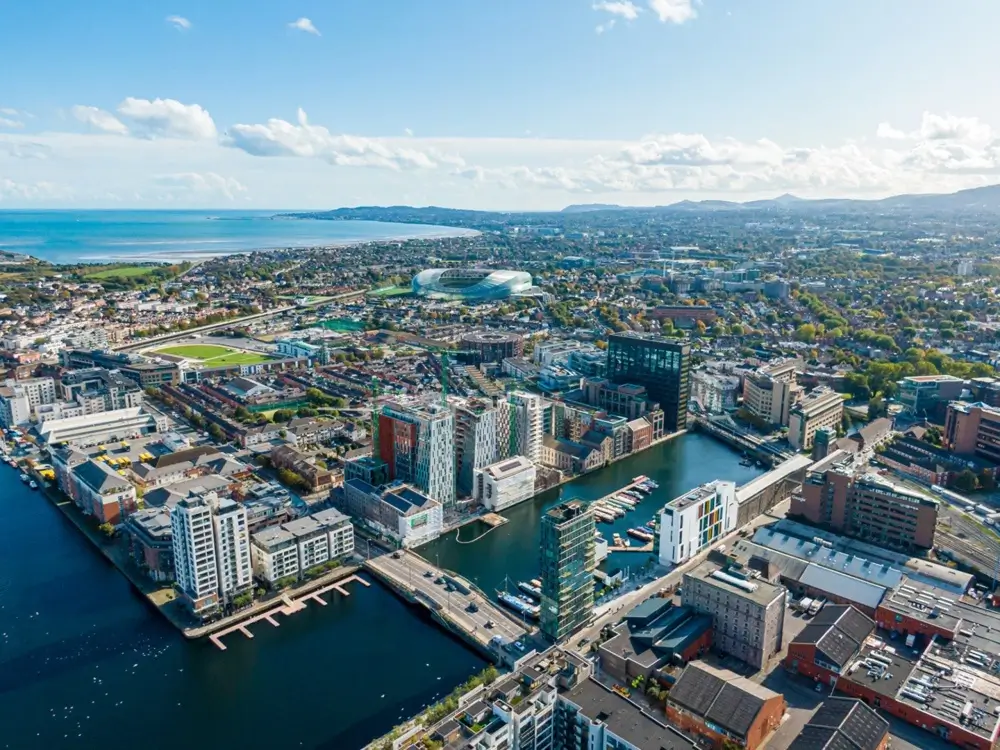
There’s something magnetic about Dublin, Ireland’s capital. It’s a city where cobblestone streets hum with music, Georgian architecture meets modern creativity, and locals have a way of making every visitor feel at home. Whether you’re here for history, nightlife, or the craic (that unbeatable Irish mix of fun and conversation), Dublin delivers an experience that’s both intimate and vibrant.
In this in-depth guide, you’ll find everything you need to plan your perfect Dublin adventure. From iconic sights to local gems, cultural highlights, day trips, and food you’ll crave long after you’ve gone home.
Before You Go: Practical Tips
Before you lace up your walking shoes, a few practical pointers can make your trip smoother.
Currency: Ireland uses the Euro (€). Credit cards are widely accepted, but having some cash handy for small cafes or pubs is a good idea.
Getting Around: Dublin is compact and easy to navigate. Most attractions are within walking distance. For longer journeys, the public transport network like buses, trams (LUAS), and trains (DART) is efficient and affordable. You can use a Leap Card to pay for all modes of transport.
When to Visit: Dublin is a year-round destination, but the best months are late spring to early autumn (May to September). Expect light rain any time, so pack a waterproof jacket.
Local Etiquette: A friendly greeting goes a long way. The Irish are famously warm, and conversation is an art form here. Don’t rush it.
Where to Stay: From historic hotels near Trinity College to boutique stays in Portobello, Dublin has options for every traveler. Browse Dublin hotels on Expedia to find places that match your style and budget.
Top Iconic Attractions
1. Trinity College Dublin and the Book of Kells
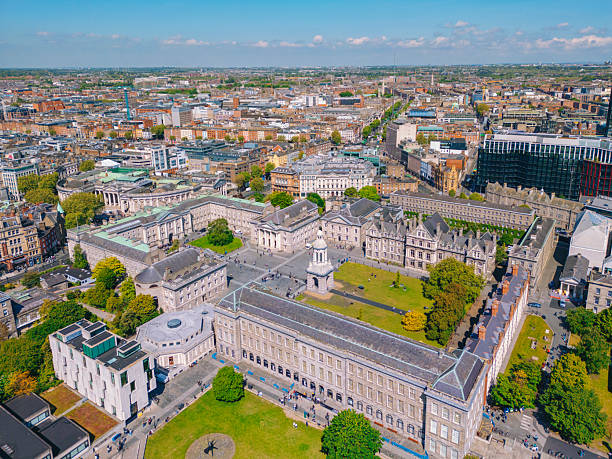
If there’s one place that defines Dublin’s intellectual and artistic spirit, it’s Trinity College. Founded in 1592, the university’s centerpiece is the Book of Kells, an illuminated manuscript of the four Gospels created by monks over a thousand years ago. The artistry of its pages is breathtaking.
Why it’s special: The Book of Kells is not just a religious relic but a masterpiece of Celtic art. The Long Room, a 65-meter library filled with ancient tomes, feels like stepping into another century.
Practical tip: Book your skip-the-line entry to the Book of Kells and Trinity College Library in advance to save time and enjoy early access hours. Visit early in the morning or late afternoon for fewer crowds.
2. St Patrick’s Cathedral and Christ Church Cathedral
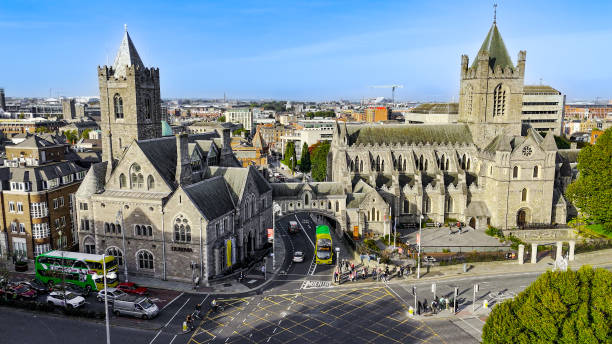
Dublin’s two great cathedrals each tell a different part of the city’s story.
St Patrick’s Cathedral, founded in 1191, stands on the spot where Ireland’s patron saint is said to have baptized converts. Inside, the stained glass and intricate woodwork create an atmosphere of quiet reverence.
Christ Church Cathedral, the older of the two, dates back to 1030 and offers a mix of medieval and Victorian architecture. Don’t miss the crypt below—it’s one of the largest in Britain and Ireland.
Why they’re special: These cathedrals connect Dublin’s spiritual and historical roots, showcasing centuries of faith and artistry.
Practical tip: Combine visits with a guided walking tour of Dublin’s medieval quarter to fully appreciate the city’s architectural and spiritual roots.
3. Dublin Castle and the Historic Centre
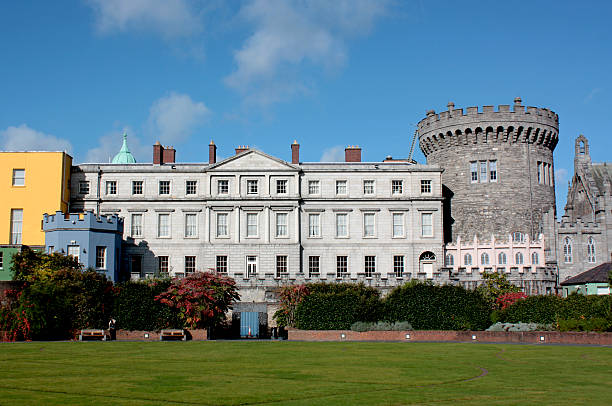
Once the seat of British rule in Ireland, Dublin Castle today serves as a symbol of Irish independence and resilience. The State Apartments are ornate and opulent, but the castle’s underground Viking excavation adds an extra layer of intrigue.
Why it’s special: It’s where Dublin began. The name “Dublin” comes from “Dubh Linn,” meaning “black pool,” once located behind the castle.
Practical tip: Join a guided Dublin Castle tour to hear fascinating political and cultural stories from expert local guides.
4. Guinness Storehouse at St James’s Gate
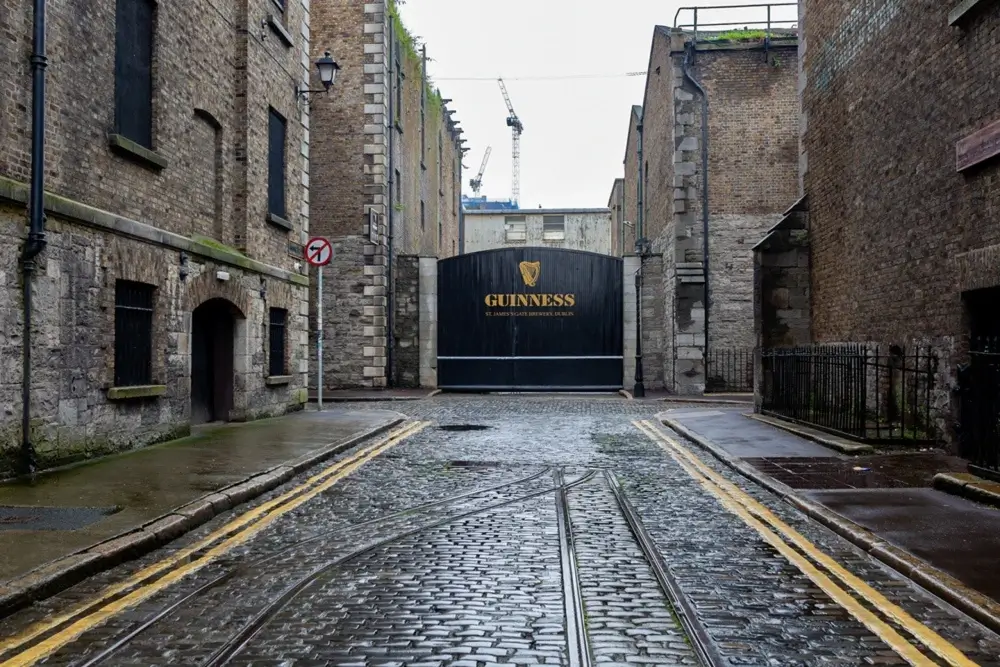
No visit to Dublin is complete without a stop at the Guinness Storehouse. This seven-story experience walks you through the history, craft, and culture of Ireland’s most famous beer. The tour ends at the Gravity Bar, where a pint of Guinness and panoramic views of the city await.
Why it’s special: It’s not just a brewery tour. It’s a celebration of Irish pride and craftsmanship.
Practical tip: Reserve your Guinness Storehouse experience online for the best time slots, especially around sunset for incredible skyline views.
Culture, Museums & Galleries
5. EPIC The Irish Emigration Museum
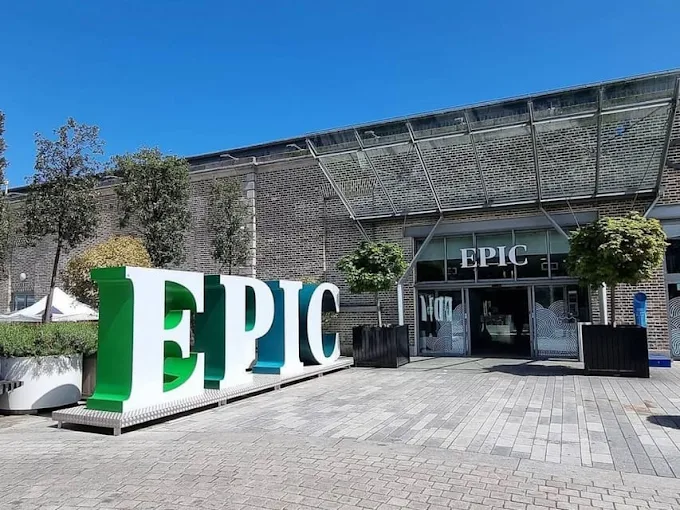
EPIC tells one of Ireland’s most moving stories: how millions of Irish people left their homeland and influenced the world. Interactive exhibits, digital storytelling, and personal tales make it a standout museum experience. It’s worth planning ahead with a skip-the-line entry ticket to make the most of your visit.
Why it’s special: It’s high-tech, emotional, and illuminating. A perfect mix of history and humanity.
Practical tip: Allocate at least two hours to explore it fully.
6. Smaller and Unique Museums
If you enjoy niche museums, Dublin has plenty:
- The Little Museum of Dublin: A delightful museum that tells the city’s story through donated items from ordinary Dubliners.
- The Irish Whiskey Museum: Explore Ireland’s whiskey heritage with a tasting or two. Try booking a guided whiskey tasting and storytelling session for an authentic experience.
- The Chester Beatty Library: Home to one of the world’s best collections of manuscripts and art, tucked inside Dublin Castle grounds.
7. Exploring Local Art, Music, and Theatre
Art and performance are woven into Dublin’s DNA. Check out the National Gallery of Ireland for European and Irish masterpieces, or pop into small galleries like the Kerlin Gallery for contemporary works. For live music, Whelan’s and The Cobblestone are institutions where you can catch both up-and-coming artists and traditional Irish sessions.
The Abbey Theatre, co-founded by W.B. Yeats, continues to stage powerful Irish plays. Even if you don’t understand every local reference, the passion of Irish storytelling always shines through.
8. Neighbourhoods & Local Life
Dublin is a city of villages. Each neighborhood has its own personality.
- Temple Bar: The city’s cultural heart. Yes, it’s touristy, but the energy is infectious, and the live music is genuine. You can join a Temple Bar pub crawl or traditional music tour to meet locals and travelers alike.
- Stoneybatter: A trendy, creative area filled with indie cafes and local pubs.
- Portobello: Leafy and laid-back, perfect for canal-side strolls.
- Merrion Square and Georgian Dublin: Elegant streets lined with colorful doors, art galleries, and parks.
- Docklands: Modern Dublin, home to tech giants and stylish riverside walks.
Spend some time just wandering. The best part of Dublin life often happens between planned stops.
9. Hidden Gems & Off-the-Beaten-Path
Want to see the Dublin most visitors miss?
- Marsh’s Library: A perfectly preserved 18th-century library near St Patrick’s Cathedral.
- The Forty Foot: A traditional sea-swimming spot in Sandycove. Join locals for a brisk dip.
- Blessington Street Basin: A peaceful park loved by locals, hidden behind city streets.
- Glasnevin Cemetery: Surprisingly beautiful and full of history, with guided tours that bring Irish heritage to life.
Each of these spots offers a slower, more authentic Dublin experience.
10. Day Trips & Nearby Excursions
Dublin’s location makes it an ideal base for exploring the Irish countryside.
- Howth: A charming fishing village just 30 minutes away. Try a Howth cliff walk and seafood tour for a day of coastal beauty. Hike the cliff walk and reward yourself with fish and chips by the harbor.
- Malahide Castle: A fairy-tale castle with beautiful gardens and a charming village nearby.
- Wicklow Mountains: Take a day trip to Glendalough and Wicklow National Park for stunning landscapes.
- Newgrange: A UNESCO World Heritage site older than Stonehenge, filled with ancient mystery.
You can explore multiple sites efficiently by joining a guided Dublin day tour that handles all transport and logistics.
11. Food & Drink Highlights

Irish cuisine has come a long way, and Dublin is now a bona fide foodie city.
Traditional favorites: Try hearty dishes like Irish stew, coddle, and boxty (potato pancakes). For breakfast, nothing beats a full Irish with black pudding and soda bread.
Modern dining: Check out Chapter One, The Winding Stair, or Etto for elevated Irish cooking. Dublin’s food scene is passionate about local ingredients and sustainability.
Pubs and drinks: The Irish pub experience is about community as much as beer. Join a Dublin pub and folklore tour for stories, songs, and perfectly poured pints.
Pubs like The Long Hall, Kehoe’s, and The Brazen Head (Ireland’s oldest) are steeped in history. Try local craft beers or a Jameson whiskey.
Practical tip: Many pubs serve excellent food, often better than expected. Don’t skip the pub grub.
12. Family-Friendly & Special Interest Activities
Dublin is incredibly family-friendly, with plenty to keep both kids and adults happy.
For families:
- Dublin Zoo: One of Europe’s oldest, located in the Phoenix Park.
- Imaginosity: A children’s museum perfect for younger visitors.
- Viking Splash Tour: Explore the city by land and water on an amphibious bus, led by guides in Viking helmets.
For special interests:
- Literary Tours: Follow in the footsteps of James Joyce, Oscar Wilde, and Samuel Beckett.
- Walking Tours: Try historical, ghost, or food-themed Dublin walks for deeper insights.
- Music and Pub Tours: Experience Dublin’s live music scene with local musicians as your guides.
Suggested Itineraries
One Day in Dublin
Morning: Visit Trinity College and the Book of Kells. Stroll through Grafton Street and have coffee in Bewley’s Café.
Afternoon: Explore Dublin Castle, Temple Bar, and have lunch at The Winding Stair overlooking the River Liffey.
Evening: Tour the Guinness Storehouse, then head to The Cobblestone for live music and a pint.
Two to Three Days in Dublin (or More)
Day 1: Start with the iconic sights—Trinity College, Dublin Castle, St Patrick’s Cathedral.
Day 2: Dive into culture at EPIC Museum, stroll the Docklands, and enjoy the evening theatre at The Abbey.
Day 3: Take a day trip to Howth or Glendalough for fresh air and scenery. Return for a farewell dinner at one of Dublin’s top restaurants.
If you stay longer, spend more time exploring local neighborhoods and hidden corners.
Practical Considerations & Booking Tips
- Tickets: Many attractions offer discounted online bookings.
- Transport: The Leap Visitor Card gives unlimited travel for 1–3 days.
- Weather: Always pack layers and waterproofs. The Irish say, “If you don’t like the weather, wait five minutes.”
- Accommodation: Dublin has everything from boutique hotels to cozy B&Bs. For local charm, consider staying near Merrion Square or Portobello. Compare and book top-rated Dublin hotels on Expedia for the best deals.
Summary & Wrap-Up
Dublin is more than just a city to visit. It’s a city to feel. It’s where history whispers from stone walls, where laughter spills from pubs, and where every conversation feels like a story waiting to be told.
Whether you spend one day or a week, Dublin rewards curiosity. Mix iconic landmarks with quiet parks, big museums with small pubs, and plan your trip but leave room for the unexpected. That’s where Dublin’s magic truly lies.