Snorkeling in Cozumel: What Most Travelers Get Wrong
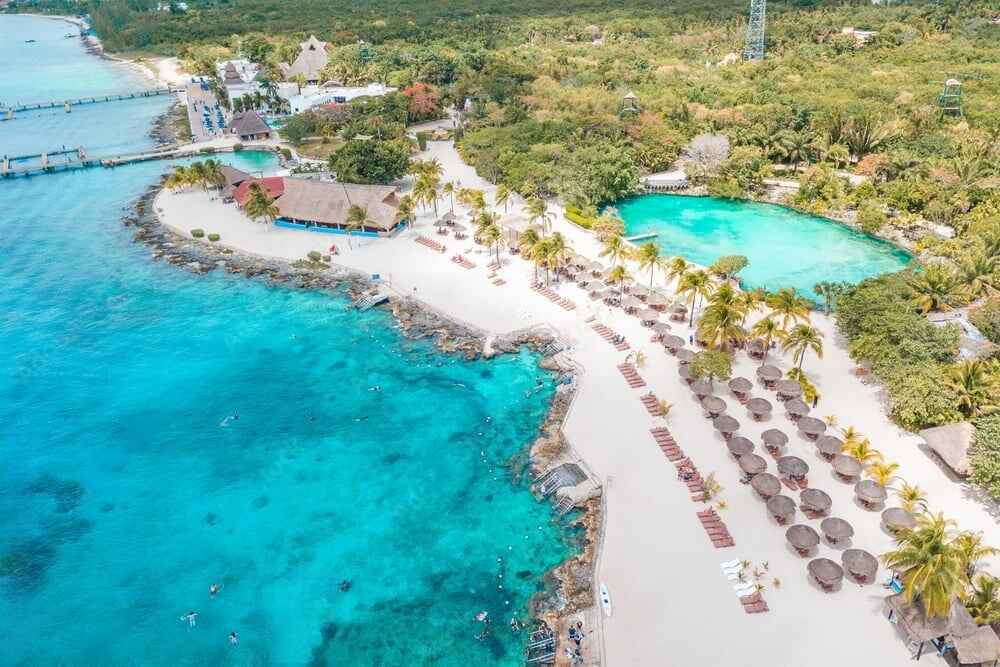
Cozumel is one of the best snorkeling destinations in the Caribbean.
The water is famously clear, reefs start close to shore, and marine life is abundant. On a good day you can see turtles, rays, coral formations, and huge schools of tropical fish.
But despite how accessible it is, a surprising number of visitors have disappointing or even stressful snorkeling experiences.
After answering dozens of questions from travelers planning trips to Cozumel, I noticed the same mistakes coming up again and again.
If you avoid these, your snorkeling experience on the island will be dramatically better.
Many travelers eventually realize that snorkeling in Cozumel is less about finding the reef and more about understanding how the island’s conditions work. That insight is actually what led me to create a deeper planning resource called The Essential Cozumel Snorkeling Guide, which breaks down the patterns most visitors never discover until it’s too late.
If you’re still planning your trip, it also helps to understand the broader experience of the island, including where to stay. You can explore that in this guide to Best All-Inclusive Resorts in Cozumel.
But before diving into a full guide, there are five things every traveler should understand about snorkeling in Cozumel.
1. Cozumel Sits Along One of the Largest Reef Systems in the World
Many travelers do not realize that Cozumel is part of the Mesoamerican Barrier Reef, the second-largest coral reef system on the planet.
The reef stretches more than 600 miles along the Caribbean coast and supports thousands of marine species. The reefs surrounding Cozumel are particularly well preserved due to marine park protections and relatively limited coastal development.
What makes Cozumel special is the clarity of the water.
Visibility often ranges from 80 to 100 feet, allowing snorkelers to see coral formations, fish behavior, and reef structure with remarkable detail.
In many locations, coral heads and reef formations begin surprisingly close to shore.
That means snorkelers can encounter vibrant marine life without needing diving certification or deep water experience.
You can regularly encounter:
parrotfish
angelfish
stingrays
sea turtles
large schools of tropical fish
This combination of reef health, water clarity, and accessibility is why Cozumel consistently ranks among the best snorkeling destinations in the Caribbean.
One thing many travelers do not realize until they arrive is how different the reef environments can be depending on where you snorkel. Some areas are dense coral gardens, while others are sandy channels or drift reefs. Understanding those differences ahead of time dramatically changes what you end up seeing underwater.
2. Understanding the Island’s Layout Is Critical
A mistake many travelers make is assuming snorkeling conditions are the same around the entire island.
They are not.
Cozumel has two very different coastlines.
The west side of the island is protected and faces the mainland. This is where the calm water, marine parks, and most snorkeling locations are found.
The east side of the island faces the open Caribbean and tends to have strong waves, rough surf, and powerful currents.
Almost all of the well-known snorkeling sites are located on the west coast, where reef formations run parallel to the island and create clearer, calmer conditions.
Choosing where you stay or where you snorkel can completely change the experience.
The difference between a protected reef and an exposed coastline can mean the difference between relaxed snorkeling and difficult water conditions.
This is actually one of the most common mistakes travelers ask about online. Many people arrive assuming the entire island works the same way.
In reality, understanding the island’s layout is one of the biggest advantages you can have before arriving. For a broader overview of activities across the island, see this guide on Things to Do in Cozumel.
3. Boat Snorkeling Often Reveals the Best Reefs
Many travelers assume they can simply walk into the water from the beach and find the island’s best reefs.
While Cozumel does offer several excellent shore snorkeling spots, many of the most impressive reef systems are located offshore.
Boat tours allow snorkelers to reach areas such as:
Palancar Reef
Columbia Reef
El Cielo sandbar
These sites often feature healthier coral formations, larger fish populations, and clearer water due to reduced human impact.
Boat tours also provide guidance through areas where currents are present. This is especially helpful for travelers unfamiliar with the island’s marine environment.
If you’re deciding which experience to book, this breakdown of the best Cozumel Snorkeling Tours can help you choose the right option based on your travel style.
Shore snorkeling can still be very rewarding, particularly at calm reef sites along the western coast.
But many visitors find their most memorable snorkeling experiences happen during guided boat excursions.
Interestingly, travelers who have the best trips often combine both shore snorkeling and one well-chosen boat excursion rather than relying entirely on one or the other.
4. Timing Matters More Than Most Travelers Realize
Cozumel offers snorkeling year-round, but conditions are not identical every month.
In general:
March to May
Often the best combination of calm seas and clear visibility.
December to April
Reliable weather and comfortable water temperatures.
June to September
Warmer water but stronger afternoon winds.
Visibility in Cozumel frequently exceeds 80 feet, especially during calm mornings when wind and boat traffic are minimal.
For this reason, experienced travelers often recommend morning snorkeling sessions, when the ocean surface is calmer and underwater visibility is typically at its best.
Morning conditions also make it easier to observe marine life and navigate reef structures safely.
Many visitors are surprised how dramatically conditions can change throughout the day. A reef that feels calm at 8 a.m. can feel very different by mid-afternoon.
Knowing how timing affects snorkeling is one of the simplest ways to improve the experience.
5. Responsible Snorkeling Protects the Reef
Cozumel’s reefs remain healthy partly because of strong conservation policies.
Many snorkeling areas fall within the Cozumel Reefs National Marine Park, where regulations are designed to protect coral and marine ecosystems.
These rules include:
not touching coral
not collecting shells or marine life
not feeding fish
using reef-safe sunscreen
Snorkelers play an important role in protecting the reef.
Responsible practices include:
maintaining horizontal body position in the water
keeping fins away from coral
observing marine life without chasing or touching
choosing operators that follow marine park guidelines
These small actions help preserve the reef system so future travelers can experience the same vibrant underwater environment.
Why I Created a Full Cozumel Snorkeling Guide
After answering hundreds of questions about Cozumel snorkeling across travel forums and Q&A sites, I noticed the same pattern.
Travelers were searching for clear, practical guidance in one place.
Information online was often scattered across dozens of articles and forum threads, making it difficult to understand how the island’s snorkeling environment actually works.
That is what led me to create The Essential Cozumel Snorkeling Guide.
The guide brings together the practical details that are hard to find in a single place, including:
• how Cozumel’s reef system is structured
• the best snorkeling locations for different experience levels
• safety and gear recommendations
• marine life you are likely to encounter
• beginner tips and common mistakes
• sample snorkeling itineraries
It is designed more like a field guide for planning a snorkeling trip rather than a short article you read once and forget.
Readers often use it before their trip to understand how the island works, and then reference specific sections once they arrive.
Final Thought
Snorkeling in Cozumel can be one of the most memorable experiences in the Caribbean.
But like many nature-based activities, the difference between an average experience and an incredible one often comes down to preparation and understanding the environment.
If you approach it thoughtfully, Cozumel’s reefs reward you with something increasingly rare in modern travel: clear water, thriving marine life, and a reef ecosystem that still feels vibrant and alive.
And that is worth planning.
Related Posts: