A Complete Guide to Exploring Bologna: Top Things to Do
If Italy were a meal, Bologna would be the main course. This beautiful city in the Emilia-Romagna region often gets overshadowed by its flashier neighbors like Florence or Venice, but those who take the time to visit soon realize that Bologna is one of Italy’s best-kept secrets.
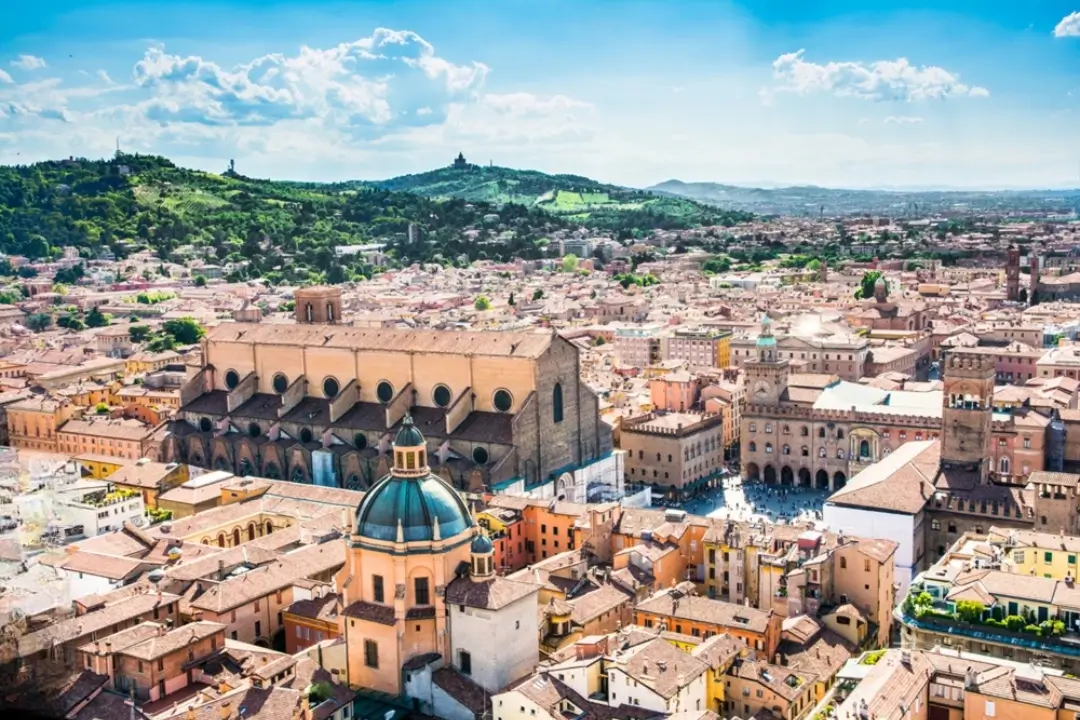
Nicknamed La Dotta, La Grassa, e La Rossa. The learned, the fat, and the red, Bologna embodies three defining traits: its ancient university, its rich cuisine, and its terracotta rooftops. The city is vibrant yet authentic, filled with porticoes, towers, and aromas of freshly made pasta.
This guide will take you through everything you need to know to plan your trip: what to see, what to eat, and how to make the most of your time in one of Italy’s most fascinating cities.
Planning Your Visit
Before diving into the sights and flavors, a little planning can make your trip smoother. Bologna is easily accessible by train, located between Milan, Florence, and Venice. The Bologna Guglielmo Marconi Airport connects the city to major European hubs, and the train station is a quick walk or bus ride from the city center.
If you’re flying in, compare flight and transfer options early and book a convenient airport transfer to save time on arrival.
The best time to visit is during spring (April to June) or autumn (September to October). The weather is pleasant, the food markets are lively, and the city feels comfortably busy without being overwhelming.
Plan to stay at least two to three days. Find charming stays in Bologna’s historic center on, from elegant boutique hotels to cozy apartments tucked under the porticoes.
Ok, here are the top things to do in Bologna:
Historic & Architectural Highlights
1. City Centre & Main Squares

At the heart of Bologna lies Piazza Maggiore, a grand square that serves as the city’s living room. It’s surrounded by majestic buildings like the Basilica di San Petronio, Palazzo dei Notai, and Palazzo d’Accursio. Locals meet here for coffee, street musicians perform, and the atmosphere feels timeless.
Right next to it, Piazza del Nettuno features the stunning Fountain of Neptune, a masterpiece from the 16th century that has become one of Bologna’s most recognized symbols. It’s especially beautiful at night when lit softly under the evening sky.
Take your time to sit at one of the cafés, sip an espresso, and simply people-watch. This is Bologna’s heartbeat.
To make the most of it, consider a guided walking tour of Bologna’s historic center that covers key landmarks with local insight.
2. Churches, Towers & Views

Bologna’s skyline is defined by its medieval towers, built by noble families in the 12th and 13th centuries as both defensive structures and symbols of wealth. The most famous are Le Due Torri, the Two Towers. Torre degli Asinelli, the taller one, can be climbed for sweeping views of the red rooftops. It’s a bit of a workout with its 498 wooden steps, but the view from the top is absolutely worth it.
Skip-the-line tower entry tickets are available for those who prefer less waiting and more exploring.
The Basilica di San Petronio dominates Piazza Maggiore and remains one of Europe’s largest churches. It’s fascinating not only for its size but for its unfinished facade, which tells a story of ambition and compromise. Inside, you’ll find a meridian line that once helped astronomers measure the movement of the sun.
Don’t miss the Santo Stefano complex, often called the “Seven Churches.” This group of interconnected churches and courtyards dates back to the 5th century and is one of Bologna’s most atmospheric spots. It’s a quiet oasis in the bustling city center.
3. Walkways & Porticoes

If there’s one thing that defines Bologna’s streetscape, it’s the porticoes. Stretching for over 60 kilometers, these elegant arcades provide shade in the summer and shelter from rain in the winter. They are also a UNESCO World Heritage Site, and walking under them is an experience in itself.
One of the most famous walks is from Porta Saragozza to the Sanctuary of the Madonna di San Luca.
If you’d rather not walk uphill, book a San Luca tourist train or e-bike tour that takes you to the top effortlessly while still enjoying the views.
The 3.8-kilometer route is lined with 666 arches leading uphill to a stunning basilica that overlooks the city. The view at the top is incredible, and it’s a favorite pilgrimage for locals and visitors alike.
4. Museums & Academic Heritage

Bologna is home to Europe’s oldest university, founded in 1088, and that scholarly spirit is still alive. The Archiginnasio Palace, once the main building of the University of Bologna, is now a museum featuring the Teatro Anatomico, an 18th-century anatomical theater where medical students once studied human anatomy. The wooden sculptures and carvings are both eerie and beautiful.
Art lovers should visit the Pinacoteca Nazionale, home to works by Giotto, Raphael, and Guido Reni. The Museo della Storia di Bologna offers an interactive journey through the city’s history, perfect for first-time visitors who want context before exploring further.
To explore efficiently, consider a Bologna museums and landmarks combo pass that includes multiple attractions with one ticket.
5. Food & Market Experiences
Why Bologna is a Food City
If you love Italian food, Bologna will feel like paradise. Known as La Grassa (the fat one), the city is the culinary heart of Italy. Many iconic Italian dishes trace their roots here: tagliatelle al ragù (often mistakenly called spaghetti bolognese), mortadella, and tortellini in brodo.
The locals take food seriously. Meals are a ritual, and recipes are passed down through generations. You’ll quickly notice that dining here isn’t just about eating, it’s about celebrating life, family, and flavor.
Top Food-Related Activities
Walking Food Tour

The best way to get acquainted with Bologna’s cuisine is by joining a walking food tour. You’ll stroll through the Quadrilatero Market, sample local cheeses, cured meats, and balsamic vinegar, and maybe even taste the city’s signature dish.
Join a small-group Bologna food tour to sample cheeses, cured meats, and local pasta. These tours often include hidden stops like tiny pasta shops or family-run delis you might not find on your own.
Cooking Class

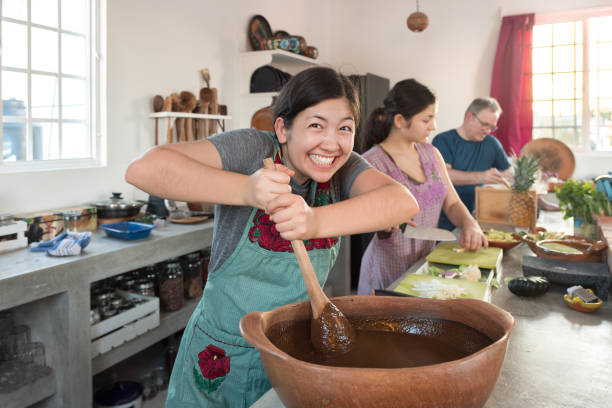
For a hands-on experience, try a traditional pasta-making class with a local chef where you’ll roll dough, shape tortellini, and enjoy your creations with local wine. Classes usually end with a communal meal, where you enjoy the fruits of your labor with a glass of local wine.
Market Stroll

The Mercato delle Erbe and Mercato di Mezzo are perfect for a leisurely market stroll. You’ll find colorful produce, regional specialties, and plenty of places to grab a quick bite. Try fresh tortellini, truffle spreads, or even gelato made with local ingredients.
Some guided market tours combine tastings with insider stories from local food vendors.
Food Factory Excursion

If you have more time, explore the region’s culinary roots with a day trip to Modena and Parma food factories to witness Parmigiano Reggiano and balsamic vinegar production firsthand.
The Parmigiano Reggiano dairies, balsamic vinegar producers in Modena, and prosciutto factories in Parma are all within easy reach. These tours let you see the production process up close and often end with generous tastings.
Where to Eat & What to Try
Here are some local must-tries:
- Tagliatelle al ragù – the real version of “spaghetti bolognese,” but richer and served with flat egg pasta.
- Tortellini in brodo – delicate pasta parcels filled with meat, served in a light broth.
- Lasagne alla bolognese – layers of pasta, béchamel, and ragù baked to perfection.
- Mortadella – the original inspiration for bologna sausage, but far superior.
- Crescentine (tigelle) – small flatbreads filled with cold cuts or cheese.
For restaurants, Trattoria da Gianni, Ristorante Da Cesari, and Osteria dell’Orsa are long-time favorites. For a casual aperitivo, head to Via del Pratello, where bars spill out onto the street and the vibe is lively but local.
fter dinner, browse local food and wine experiences in Bologna for more authentic tastings and cooking events.
6. Neighbourhoods & Hidden Gems

Beyond the main squares, Bologna’s neighborhoods each have their own personality.
Quadrilatero is the city’s culinary heart, filled with old shops, food stalls, and wine bars. It’s the perfect place to nibble and sip your way through the afternoon.
University District buzzes with youthful energy, street art, and affordable eateries.
Via del Pratello is known for its bohemian nightlife and local bars, while Giardini Margherita offers a peaceful green escape when you need a break from sightseeing.
For something offbeat, look for Finestrella di Via Piella, a small window that offers a glimpse of Bologna’s hidden canals, reminiscent of Venice. It’s a magical little secret tucked between the buildings.
For a quieter side of Bologna, book a guided hidden gems tour that reveals secret courtyards and local stories you might miss alone.
7. Day Trips & Surrounding Area
Bologna makes a perfect base for exploring Emilia-Romagna and beyond.
- Visit Modena for balsamic vinegar and Ferraris. Just 30 minutes by train, it’s home to luxury cars, delicious food, and beautiful piazzas. Don’t miss the Enzo Ferrari Museum.
- Discover Parma for prosciutto and cheese tours. Another foodie paradise, it’s known for its world-famous prosciutto and Parmigiano Reggiano.
- Ferrara: A UNESCO-listed Renaissance town with a moated castle and tranquil atmosphere.
- Explore Ravenna’s mosaics or Dozza’s painted streets through organized excursions with transportation included.
- Dozza: A small hill town painted with murals and home to the Enoteca Regionale, where you can sample regional wines.
You can easily find hotels in Bologna and nearby towns on Expedia if you plan to stay overnight during these side trips.
Practical Tips & Travel Logistics
- Getting Around: Bologna’s center is walkable, though bike rentals and guided cycling tours are a great way to see more.
- Language: Basic Italian phrases go a long way, though many people in the hospitality industry speak English.
- Money: Credit cards are widely accepted, but carry some cash for smaller cafés and markets.
- Safety: Bologna is generally safe, though standard precautions apply, especially in crowded areas.
- Accommodation: Book centrally located hotels and guesthouses to stay close to attractions and eateries.
Suggested Itineraries
One Day in Bologna
- Morning: Explore Piazza Maggiore and visit the Basilica di San Petronio.
- Lunch: Enjoy tagliatelle al ragù at a local trattoria.
- Afternoon: Climb Torre degli Asinelli for views, then visit the Archiginnasio.
- Evening: Aperitivo in the Quadrilatero and dinner on Via del Pratello.
To cover the highlights efficiently, try a Bologna-in-a-Day sightseeing tour.
Two Days in Bologna
Day 1 as above, then on Day 2, visit the Sanctuary of San Luca in the morning, enjoy a market stroll at Mercato delle Erbe, and spend your afternoon at the Pinacoteca Nazionale. Wrap up your evening with a leisurely dinner and gelato near Piazza Santo Stefano.
Three Days in Bologna
Add a day trip to Modena or Parma, or dive deeper into Bologna’s hidden gems. Take a cooking class, explore the University Quarter, and relax at Giardini Margherita. Three days give you enough time to experience both the history and the flavor of the city.
Extend your stay at a boutique hotel or apartment in the city center for a truly local experience.
Summary & Final Thoughts
Bologna isn’t just another stop on an Italian itinerary. It’s a place where history, food, and culture blend seamlessly. From medieval towers and endless porticoes to hearty pasta dishes and friendly trattorias, this city invites you to slow down and savor every moment.
The essence of Bologna lies in its authenticity. It’s not a city built for tourists, it’s a city that lives and breathes its traditions. Whether you’re sipping wine in a quiet piazza, chatting with locals at the market, or rolling pasta in a cooking class, you’ll feel connected to the real Italy.
So come hungry, both for food and for experience. Book your food tours early, stay in the historic center, and leave time for unplanned wanderings. Bologna rewards those who linger.