Snorkeling in Oahu: What Most Travelers Get Wrong

When people plan a snorkeling trip to Oahu, they usually start the same way.
They search:
“Best snorkeling beaches in Oahu.”
They get a list of beaches.
They pick one with good photos.
Then they drive there and hope for the best.
Sometimes it works.
Often it doesn’t.
The water might be murky. The waves might be breaking over the reef. Or the conditions simply make snorkeling uncomfortable or unsafe.
The problem is not the beach.
The problem is how people choose it.
Interestingly, this same misunderstanding shows up in most snorkeling advice online. After answering hundreds of questions about snorkeling conditions around Oahu, I eventually turned those answers into a practical resource called The Oahu Snorkeling Handbook, which focuses on how to evaluate snorkeling conditions rather than just listing beaches.
Most travelers do not realize how much difference that knowledge makes.
Oahu Snorkeling Isn’t About Finding “The Best Beach”
Oahu is one of the best snorkeling islands in Hawaii, but it works differently than many visitors expect.
Conditions change constantly.
The same beach can be:
• Calm and crystal clear on Monday
• Murky and dangerous on Tuesday
• Perfect again on Thursday
That is why experienced snorkelers rarely start with a location.
They start with conditions.
The island has multiple coastlines that face different directions. When one side of the island is rough, another may be calm.
According to the guide I created, Oahu’s coastline behaves very differently depending on season and exposure to swell. Understanding this pattern is one of the most important things visitors can learn before snorkeling.
Once you understand how the island works, choosing a snorkeling spot becomes far easier.
The Biggest Mistake Visitors Make
Most travel blogs recommend beaches based on photos.
But photos don’t show the most important things:
• Swell direction
• Wind exposure
• Entry conditions
• Seasonal patterns
These factors determine whether snorkeling is actually good on a given day.
A famous snorkeling spot can easily be a bad choice if conditions don’t match.
That’s why experienced snorkelers think in a completely different way.
They ask:
“Which side of the island is protected today?”
That single question completely changes how you plan a snorkeling day.
How Experienced Snorkelers Actually Choose a Spot
Before deciding where to snorkel, locals typically consider a few simple things.
1. Which side of the island is exposed today?
Oahu has four main coastal regions:
• North Shore
• South Shore
• West Side
• East Side
Each side reacts differently to wind and swell.
For example, the North Shore has incredible snorkeling in summer but can be extremely dangerous during winter surf season.
That’s why seasonality matters so much.
This pattern surprises many visitors, because most travel articles never explain it clearly. It is one of the key concepts explored in detail in The Oahu Snorkeling Handbook, which breaks down how each side of the island behaves throughout the year.
2. What is the wind doing?
Wind creates surface chop and reduces visibility.
Even if the ocean looks calm from shore, strong wind can make snorkeling tiring and cloudy.
That’s why most experienced snorkelers go early.
Morning conditions are almost always better than afternoon.
3. Can you see the bottom?
This is the simplest rule.
If you cannot see the reef clearly from shore, snorkeling probably won’t be good.
Visibility depends on:
• recent swell
• wind
• rainfall
Clear water usually follows several calm days.
Many travelers only learn these patterns after a few disappointing snorkeling attempts. Once you understand them ahead of time, you can avoid most of those mistakes.
The Quiet Secret of Great Snorkeling Days
The best snorkeling days often start early.
By mid-morning:
• winds increase
• crowds arrive
• water clarity declines
Early sessions tend to be calmer, clearer, and far more enjoyable.
Many experienced snorkelers keep their sessions short.
They snorkel for an hour, enjoy the reef, and leave before conditions deteriorate.
This approach also reduces fatigue and makes snorkeling safer.
Marine Life Is More Predictable Than You Think
One of the best things about snorkeling in Oahu is how consistent the marine life can be.
Healthy reefs often have:
• colorful reef fish
• parrotfish and butterflyfish
• Hawaiian green sea turtles
Turtles are commonly spotted near shallow reef flats and rocky ledges where algae grows.
When the water is calm and you move slowly, encounters become much more likely.
The key is choosing conditions where marine life is easy to observe rather than fighting rough water.
The Difference Between a Good Trip and a Great One
Most snorkeling advice focuses on places.
But the real difference comes from understanding conditions and timing.
When you match the right beach to the right day:
• the water is clearer
• the reef is easier to explore
• the experience feels calm rather than stressful
It turns snorkeling from a gamble into something predictable.
Many visitors do not realize how much easier snorkeling becomes once you understand how the island’s different coastlines behave.
Why I Put Together a Detailed Oahu Snorkeling Guide
After answering the same snorkeling questions again and again online, I noticed something.
Most travelers did not need more lists of beaches.
They needed help understanding how to make decisions about the ocean.
So I created The Oahu Snorkeling Handbook, a detailed guide that explains:
• how to evaluate ocean conditions
• which beaches work in different seasons
• how to choose safe snorkeling spots
• how to avoid the mistakes that ruin snorkeling days
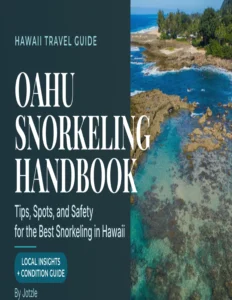
The guide focuses on decision-making rather than hype, which is how experienced snorkelers actually approach the island.
It also includes deeper explanations of ocean conditions, regional snorkeling spots, safety considerations, and planning strategies that are difficult to cover in a single article.
If you want to snorkel smarter rather than just guess, the guide goes much further than typical blog posts.
Final Thought
The best snorkeling in Oahu rarely happens by accident.
It happens when conditions, timing, and location align.
Once you start thinking the way experienced snorkelers do, the island becomes much easier to navigate.
And the ocean becomes a lot more rewarding.
If you want to go deeper into how Oahu’s snorkeling conditions work and how to consistently choose the right spots, The Oahu Snorkeling Handbook explains the process step by step so you can plan better snorkeling days from the start.