Snorkeling in Maui: What Most Travelers Get Wrong
When people start planning a snorkeling trip to Maui, they usually ask the same questions:
Is snorkeling actually good in Maui?
Do you need to know how to swim?
What are the best snorkeling beaches?
Is it safe?
When is the best time to snorkel?
After answering these questions repeatedly across travel forums and Q&A sites, I noticed something interesting.
Most travelers are planning their Maui snorkeling trips with partial information.
And that leads to predictable outcomes.
They show up at the wrong beach, snorkel in the afternoon when the wind has already picked up, or miss the reefs where marine life is most active. They leave thinking Maui snorkeling was “nice” when it could have been extraordinary.
After seeing this pattern again and again, I eventually compiled everything into a detailed planning resource called The Maui Snorkeler’s Handbook. It explains how Maui’s reef environments work, where to snorkel, when conditions are best, and how to avoid the mistakes that quietly ruin many snorkeling trips.
But before diving into a full guide, there are five things every traveler should understand about snorkeling in Maui.
1. Maui Has Some of the Most Accessible Reefs in Hawaii
Many travelers assume the best snorkeling requires boat trips far offshore.
In Maui, that is not always the case.
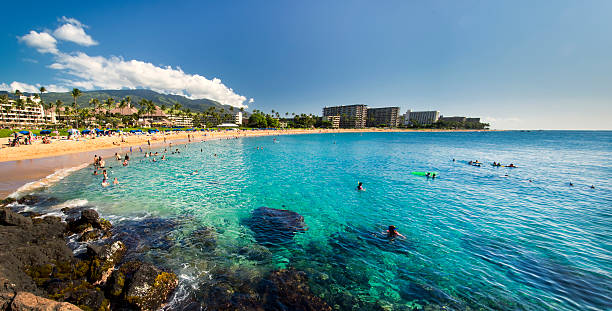
One of the island’s biggest advantages is how accessible the reefs are. Many productive reef systems begin just offshore from public beaches.
In calm conditions, visibility can extend 60 to 100 feet underwater, allowing snorkelers to see coral formations and marine life clearly from the surface.
That means you can often encounter vibrant marine life without needing scuba certification or deep water experience.
Common sightings include:
- butterflyfish
- surgeonfish
- parrotfish
- octopus
- Hawaiian green sea turtles
The biodiversity and accessibility of these reefs are part of the reason Maui is widely considered one of the best snorkeling destinations in Hawaii.
However, what many visitors do not realize is that reef productivity varies dramatically from beach to beach.
Two beaches that look nearly identical from the sand can produce completely different snorkeling experiences. One might have healthy coral and abundant fish while another may be mostly sand.
Learning how to recognize the difference before you enter the water is one of the key concepts covered inside The Maui Snorkeler’s Handbook, because it is something most travel blogs never explain.
2. Choosing the Right Area of the Island Matters
A mistake many travelers make is assuming all parts of Maui offer the same snorkeling conditions.
They do not.
Different coastlines experience different wind exposure, swell direction, and reef structures.
Where you snorkel determines:
- water clarity
- ocean conditions
- marine life activity
- overall experience
For example:
West Maui
Areas like Kapalua Bay and Honolua Bay are known for vibrant reefs and sheltered bays that can offer excellent snorkeling during calm conditions.
South Maui
Beaches around Wailea and Makena often provide reliable snorkeling because they are protected from some of the swells that affect other parts of the island.
If you are deciding where to base yourself, this is where accommodation choices matter. Staying in the right area can make early morning snorkeling much easier, which is why many travelers research the Best Place to Stay in Maui before finalizing their plans.
Offshore reefs
Locations like Molokini Crater require boat access but are famous for extremely clear water and abundant fish populations.
For a deeper comparison of top excursions, see this breakdown of the best Maui snorkeling tours, which covers when tours are worth it and which ones stand out.
What surprises many travelers is how daily ocean conditions change which side of the island is best.
A beach that is perfect on Monday might be rough on Tuesday depending on wind and swell direction.
Experienced snorkelers learn to choose their location based on the ocean conditions that day, not just a list of popular beaches. That decision-making process is something I break down step by step in The Maui Snorkeler’s Handbook because it can completely change the quality of a snorkeling trip.
3. The Best Snorkeling Usually Happens Early in the Morning
One of the most important things visitors learn about Maui snorkeling is how much conditions change throughout the day.
Trade winds typically increase as the day progresses.
By the afternoon, wind can create surface chop that reduces visibility and makes snorkeling less comfortable.
Early morning usually provides:
- calmer ocean conditions
- clearer water
- fewer crowds
- more active marine life
Many experienced snorkelers plan their sessions between 7 AM and 10 AM, when the ocean is typically at its calmest.
This simple timing strategy alone can dramatically improve the snorkeling experience.
It is one of the most common pieces of advice locals share with visitors, yet surprisingly few travel guides emphasize just how important timing is.
In fact, when people tell me they “didn’t see many fish,” the first question I ask is what time they went snorkeling.
4. Boat Snorkeling Can Unlock Some of Maui’s Best Reefs
While Maui offers excellent shore snorkeling, some of the island’s most famous reefs are located offshore.
One of the most well-known examples is Molokini Crater.
This partially submerged volcanic crater forms a protected crescent-shaped reef about three miles off the coast. The sheltered interior often provides calm water and exceptional underwater visibility.
If you are considering this experience specifically, here is a deeper look at Molokini Snorkel Tours, including what to expect and how to choose the right trip.
Boat snorkeling tours often provide access to:
- offshore reefs
- deeper coral formations
- larger schools of fish
- locations difficult to reach from shore
Many tours also visit multiple snorkeling sites during a single trip, allowing travelers to experience different reef environments in one outing.
Shore snorkeling can still be fantastic, but guided boat trips often provide access to some of the island’s most pristine underwater environments.
In the full guide I also explain which situations make boat snorkeling worth it and when shore snorkeling is actually better, which is something many travelers are surprised to learn.
5. Ocean Conditions Matter More Than Most Visitors Realize
Snorkeling in Maui is heavily influenced by natural ocean patterns.
Wind direction, seasonal swells, and reef layout all affect visibility and safety.
For example:
Winter swells can affect north-facing coastlines.
Trade winds can create afternoon chop along exposed beaches.
Certain bays remain calm because they are protected by surrounding land formations.
Understanding these patterns helps snorkelers choose the right location each day rather than assuming every beach will offer the same experience.
A location that looks perfect one day may be completely different the next.
Learning how Maui’s ocean conditions work is one of the most valuable skills travelers can develop before entering the water.
It is also one of the main reasons I created The Maui Snorkeler’s Handbook, because most visitors only discover these patterns after a few disappointing snorkeling attempts.
Why I Created a Full Maui Snorkeling Guide
After answering hundreds of questions about snorkeling in Maui across travel forums and Q&A sites, I noticed the same pattern.
Travelers were searching for clear, practical guidance in one place.
Information online was often scattered across dozens of blog posts and discussion threads, making it difficult to see the bigger picture.
That is what led me to create The Maui Snorkeler’s Handbook.
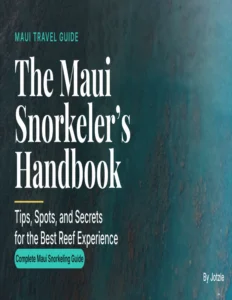
The guide brings together the practical details that are difficult to find in a single place, including:
• how Maui’s ocean conditions work
• the best snorkeling beaches and reef systems
• safety and gear recommendations
• marine life you are likely to encounter
• beginner tips and common mistakes
• sample snorkeling itineraries
It is designed as a planning reference travelers can use before their trip, not just another short blog post.
Many readers tell me the most helpful part is understanding how to decide where to snorkel on any given day, which is something that normally takes multiple trips to Maui to learn.
Final Thought
Snorkeling in Maui can be one of the most memorable experiences in Hawaii.
But like many nature-based activities, the difference between an average experience and an incredible one often comes down to preparation and understanding the environment.
If you approach it thoughtfully, Maui’s reefs reward you with something rare in modern travel: vibrant coral ecosystems, clear water, and marine life encounters that still feel wild and authentic.
Related Posts
If you are planning a trip to Maui, these guides will help you make the most of your time on the island:
- Guide on Best Maui Snorkeling Tours – Compare top-rated tours, what to expect, and how to choose the right one
- Molokini Snorkel Tours – Everything you need to know about snorkeling at Maui’s most famous offshore reef
- Best Place to Stay in Maui – Where to stay based on your travel style, budget, and activities
- Things to Do in Maui – A complete list of top experiences beyond snorkeling