Snorkeling in Puerto Rico: What Most Travelers Get Wrong
When people start planning a snorkeling trip to Puerto Rico, they usually ask the same questions:
- Is snorkeling actually good in Puerto Rico?
- Where are the best snorkeling beaches?
- Do you need a tour?
- When is the best time to go?
- Is it safe for beginners?
After answering these questions repeatedly across travel forums and Q&A sites, I started noticing something.
Most travelers are planning their Puerto Rico snorkeling trips with partial information.
And that leads to predictable outcomes.
They visit famous beaches on rough days, snorkel the wrong coast during the wrong season, or expect coral reefs where there are none. They leave thinking Puerto Rico snorkeling was “okay” when it could have been excellent.
After seeing this pattern again and again, I eventually compiled everything into a detailed planning resource called The Essential Guide to Snorkeling Puerto Rico’s Waters, which explains how the island’s waters work, where to snorkel, when conditions are best, and how to avoid the mistakes that ruin many trips.
If you are still in the early stages of planning your trip, it also helps to explore a broader overview of the island in this guide to Things to Do in Puerto Rico, so you can balance snorkeling with other experiences.
But before diving into a full guide, there are five things every traveler should understand about snorkeling in Puerto Rico.
1. Puerto Rico Has Several Different Snorkeling Environments
Many travelers assume Puerto Rico has one consistent snorkeling environment.
It does not.
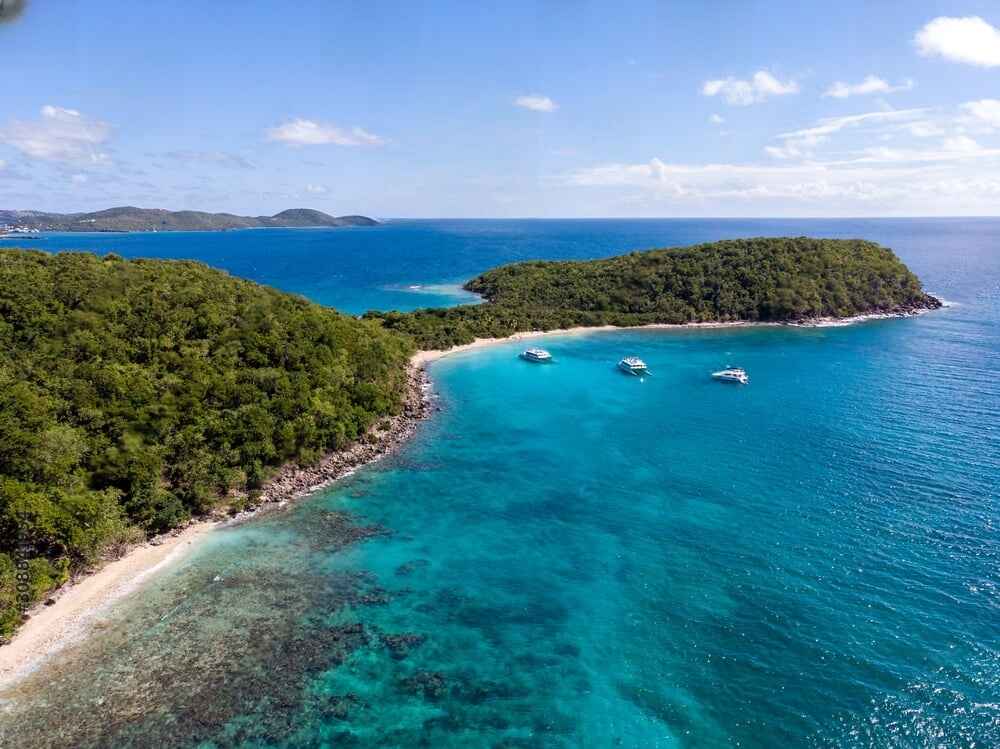
The island sits between the Atlantic Ocean and the Caribbean Sea, which creates a mix of reef systems, seagrass beds, rocky reefs, and mangrove habitats across different coastlines.
Because of this, snorkeling conditions vary dramatically depending on where you go.
For example:
West Coast
Often the most reliable snorkeling conditions. Protected from Atlantic swell, this region frequently has calm water and clear visibility.
South Coast
Known for sheltered water and shallow reef areas. Seagrass habitats here often attract sea turtles and rays.
East Coast
More exposed to trade winds. Snorkeling can still be good, but mornings are usually much better than afternoons.
North Coast
Faces the Atlantic and often has stronger waves and currents. Snorkeling here can be excellent during calm windows but is less predictable.
Many travelers do not realize that choosing the right coast matters more than choosing the right beach.
This is one of the concepts that tends to surprise travelers the most, and it is something I explain in much more depth in The Essential Guide to Snorkeling Puerto Rico’s Waters, including how different coastlines behave throughout the year and how experienced snorkelers decide where to go each day.
2. Choosing the Right Region Is the Most Important Decision
A common mistake travelers make is assuming snorkeling quality is the same everywhere on the island.
It is not.
Where you base yourself affects:
- water clarity
- reef access
- marine life encounters
- overall snorkeling conditions
For example:
Rincón and Aguadilla (West Coast)
Often the most consistent snorkeling region. Many beaches here offer shore-access reefs and calm conditions, especially during spring and summer.
La Parguera (Southwest)
A good base for calm water snorkeling and boat access to offshore reefs. This area is also famous for its glowing waters, which you can learn more about in this Guide to Bioluminescent Bay Tours in Puerto Rico.
San Juan Area
Convenient but not the island’s strongest snorkeling region. Protected spots like Escambrón Marine Park can still offer beginner-friendly snorkeling close to the city.
Culebra and Vieques
Offshore islands with some of the healthiest reefs in Puerto Rico and frequent sea turtle sightings.
Picking the right base can mean the difference between a short swim to a reef or driving hours to find good conditions.
Many travelers only realize this after they arrive.
That is why experienced snorkelers tend to plan their trip around snorkeling regions first and accommodations second. If you are deciding where to stay, this guide to the Best Places to Stay in Puerto Rico can help you match your lodging to your snorkeling goals.
The full guide includes regional breakdowns that help travelers understand which areas tend to deliver the most reliable snorkeling based on conditions and travel style.
3. Puerto Rico Is One of the Few Caribbean Destinations With Excellent Shore Snorkeling
Another misconception is that you always need a boat tour to snorkel in Puerto Rico.
In reality, many of the island’s best snorkeling spots are accessible directly from shore.
This is one of the things that makes Puerto Rico unique compared to many Caribbean destinations.
Several beaches offer reef structures close to the shoreline, allowing snorkelers to see marine life without needing to travel far offshore.
Common sightings include:
- parrotfish
- angelfish
- butterflyfish
- sea turtles
- stingrays
Of course, guided tours still have advantages.
Boat trips can provide access to offshore reefs, marine reserves, and areas that are difficult to reach from land. If you are considering this option, this breakdown of the Best Puerto Rico Snorkeling Tours can help you choose the right experience.
But many travelers are surprised to learn that some of Puerto Rico’s most rewarding snorkeling experiences happen just a short swim from the beach.
The challenge is knowing which beaches actually have reefs nearby and which ones only look good from shore.
This is where many first-time visitors end up wasting snorkeling time.
One of the sections I included in the guide breaks down beaches that consistently produce good snorkeling versus those that are mostly scenic swimming beaches.
4. The Best Time to Snorkel Is Usually in the Morning
Puerto Rico offers snorkeling year-round, but daily conditions matter more than many travelers realize.
Trade winds typically increase later in the day, which creates surface chop and reduces underwater visibility.
That is why experienced snorkelers usually enter the water early.
Morning snorkeling often offers:
- calmer seas
- clearer water
- better marine life activity
In many locations, the difference between snorkeling at 8 AM versus 3 PM can be dramatic.
Seasonal patterns also play a role.
Spring often provides some of the most stable conditions, while fall can offer excellent water clarity with fewer crowds.
But regardless of season, timing your snorkel earlier in the day is one of the simplest ways to improve the experience.
This timing pattern is one of the many small planning details that can dramatically change what you see underwater.
5. Responsible Snorkeling Protects the Reefs
Puerto Rico’s marine ecosystems are diverse but fragile.
Coral reefs grow slowly and can be easily damaged by careless contact.
Responsible snorkeling practices include:
- avoiding contact with coral
- maintaining distance from turtles and rays
- using reef-safe sunscreen
- staying horizontal in the water to avoid kicking reefs
Many experienced snorkelers also avoid standing on the reef or chasing marine life for photos.
These small habits help protect the ecosystem and ensure Puerto Rico’s reefs remain healthy for future visitors.
Why I Created a Full Puerto Rico Snorkeling Guide
After answering hundreds of snorkeling questions about Puerto Rico across travel forums and Q&A sites, I started seeing the same pattern.
Travelers were searching for clear, practical guidance in one place.
But most information online was scattered across dozens of blog posts and forum threads.
That is what led me to create The Essential Guide to Snorkeling Puerto Rico’s Waters.
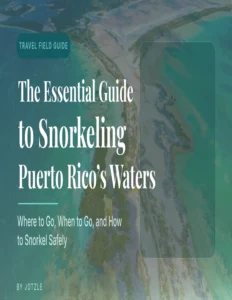
Inside the guide I cover things that are difficult to explain in short blog posts, including:
- how Puerto Rico’s snorkeling regions actually work
- the best snorkeling beaches across the island
- safety and gear recommendations
- marine life you are likely to encounter
- common mistakes first-time snorkelers make
- sample snorkeling itineraries
The goal was to create something travelers could use before their trip, not just something interesting to read online.
If you are trying to understand how snorkeling in Puerto Rico really works, the guide provides a deeper look at the locations, conditions, and decisions that shape the experience.
Final Thought
Snorkeling in Puerto Rico can be one of the most rewarding experiences in the Caribbean.
But like many nature-based activities, the difference between an average experience and an incredible one often comes down to preparation.
If you understand how the island’s coasts work, choose the right region, and pay attention to conditions, Puerto Rico’s waters reveal something special.
Clear reefs. Sea turtles grazing in seagrass beds. Schools of tropical fish moving through coral structures.
And those are the kinds of travel experiences that stay with you long after the trip ends.
Related Posts: